
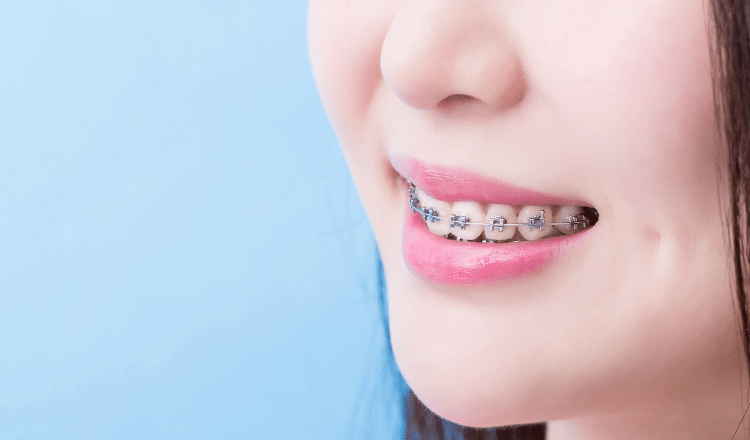
5 Things to Keep in Mind When Considering Braces
Braces are often associated with children, but modern options have made them a treat for people of all ages. If you’re considering straightening your teeth, take a moment to review the following five points before you begin your smile journey.
1. Duration of Treatment
Depending on factors such as your bite and current oral health, it may take several months to several years for you to straighten your teeth. The type of braces you choose can also affect treatment time, as some move your teeth faster than others. Your orthodontist will make a personal estimate of how long your treatment will take after examining your teeth.
While we recommend that children see an orthodontist around age 8, that doesn’t mean that someone older than them can’t benefit from orthodontic treatment! In general, it is faster to move the teeth while the teeth and bone are still forming, but this means that the treatment may take a little longer after that. The benefit of wearing braces as you age allows for a wider range of treatment options and a greater sense of confidence when your new smile emerges. (For more on adult orthodontics, read this article)
2 Bracket View
Naturally, the first image that comes to mind when it comes to braces is the metal brackets (or train tracks) on the teeth; Fortunately, orthodontics has evolved to allow for many new aesthetic options. Ceramic braces – These work the same as traditional metal braces. However, the brackets are made of a transparent material that blends in with your natural tooth color, giving it a much less noticeable appearance.
lingual braceslingual braces
Lingual braces – These look like traditional metallic braces but are attached to the back of the teeth instead of the front. This may seem almost invisible from the outside, but may initially affect speech or cause some irritation when the tongue touches them while speaking, but it still remains a useful treatment option.
invisalign invisible braces
Invisalign – Think clear retainers, but fit snugly over your teeth so it looks like you’re wearing almost nothing. This option may give you a slight lisp at first, but it won’t take long as your mouth adjusts to the shape of the aligners. You can read more about this treatment option here.
3. Wire Costs
The type of treatment option preferred and the duration of treatment play a role in determining the final treatment cost. But 0% finance plans mean this can be an investment that not only gives you cosmetic benefits, but also long-term benefits to your oral and general health. Misaligned teeth can cause future dental problems such as cracks and chips, as well as inflammation of the gums due to improper cleaning between teeth, and potentially tooth loss if these issues are not addressed.
4. Maintenance of Brackets
Getting orthodontic treatment to correct your bites and improve your smile is a commitment that will require you to always take care of your oral health. Brushing your teeth twice a day and flossing with the recommended tools (usually a combination of floss and interdental brushes) will be essential to the success of your treatment. This will have the added benefit of receiving proper dental care after your treatment has ended.
Some considerations for certain types of braces:
Ceramic braces – It is best to avoid staining food and drink as it can stain clear braces. Invisalign – Clear retainers need to be worn 20 – 22 hours a day and require you to clean your teeth each time before replacing them (this is really helpful in helping you stick to your new diet!).
Your teeth never stop moving and that’s why it’s so important to have retainers fitted to you after your treatment is over to ensure your teeth stay in their newly found perfect position. This will either be a set of removable retainers (similar to Invisalign braces) that can be worn overnight while you sleep, or a metallic “bar” placed behind the teeth – or even a combination of the two.
5. Orthodontist
Now that you know more about braces, the next step will be to seek out a dentist to do your treatment. You may find that many general dentists provide orthodontic treatment, but we recommend seeing an orthodontist. They are best placed to make sure the treatment you choose is right for you.
Often, our patients may require input from other dental professionals to treat their oral health before or in conjunction with their orthodontic treatment. Because of their experience in treating patients with a wide variety of orthodontic needs, orthodontists can advise on whether you should see a periodontist, hygienist or general dentist.
