
5 Habits That Can Stain Your Teeth
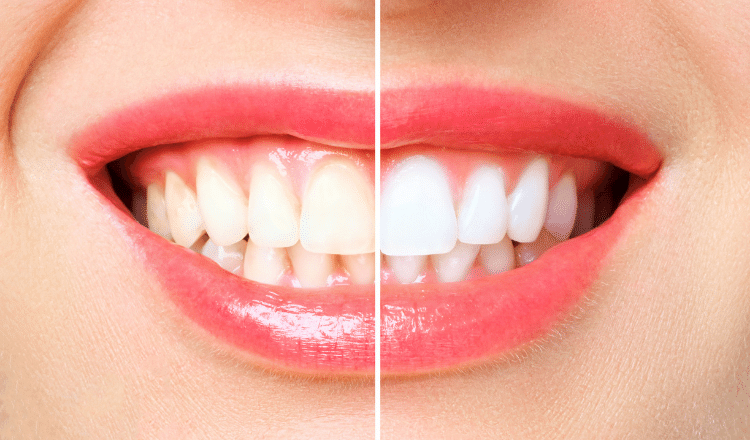
As always when it comes to your teeth, prevention is better than cure. The best way to keep your smile looking bright is to avoid consuming substances that stain it in the first place. If you’ve just had teeth whitening or are considering getting it done in the future, avoiding stains can help you get the most out of your treatment. Knowing what causes yellow teeth and other discoloration is the first step.
1. Drinking coffee, red wine, and other beverages that stain teeth
Coffee is a well-known culprit for stained teeth. If you drink regularly and do not rinse your mouth with water after drinking, dark pigments called chromogen in coffee can adhere to the enamel surface of the teeth and cause them to darken over time. It’s not just coffee either. Red wine is another possible tooth stain, so drinking water intermittently is recommended to help reduce the staining effect. Black tea is often high in coloring tannins, which can cause more staining than coffee. Adding milk to tea or coffee can help reduce this effect. Plus, milk is a good source of calcium, which is important for your dental health!
2. Eating foods that stain
Just like drinks, any food that stains your fingers can stain your teeth. Foods that can stain teeth include brightly colored fruit, beets, sticky candies, and dishes with richly colored sauces. Think curry sauces, tomato-based sauces, and soy sauce. Light and creamy sauces are less likely to cause tooth stains.
3. Drinking soda
If you thought white wine was a stain-free alternative to red, think again. The acidity of some wines can soften tooth enamel, making teeth more prone to stains from other foods and beverages. Carbonated soft drinks and sports drinks can also cause teeth staining – they can contain significant amounts of acids, sugars and pigments. Try to avoid these drinks altogether or just have them in moderation. 3
4. Keeping food and drink in your mouth
The longer something stays in contact with your teeth, the more time it takes for it to leave a stain behind or for acidic ingredients to act on your tooth enamel. Try not to hold food and drink in your mouth longer than necessary before swallowing. Consider using a straw for some drinks – this helps limit the contact of the front teeth with the liquid.
5. Not drinking enough water
Drinking the recommended amount of water throughout the day is important for hydration, but it can also help remove stains by rinsing off any remaining stained material from the teeth. If you live in a fluoridated area, drinking fluoridated tap water can also help protect your teeth from decay. 3
